Finding Your Voice When the World Keeps Reaching for the Mute Button
Why now more than ever strong female voices matter on the page and in the world
4 min read
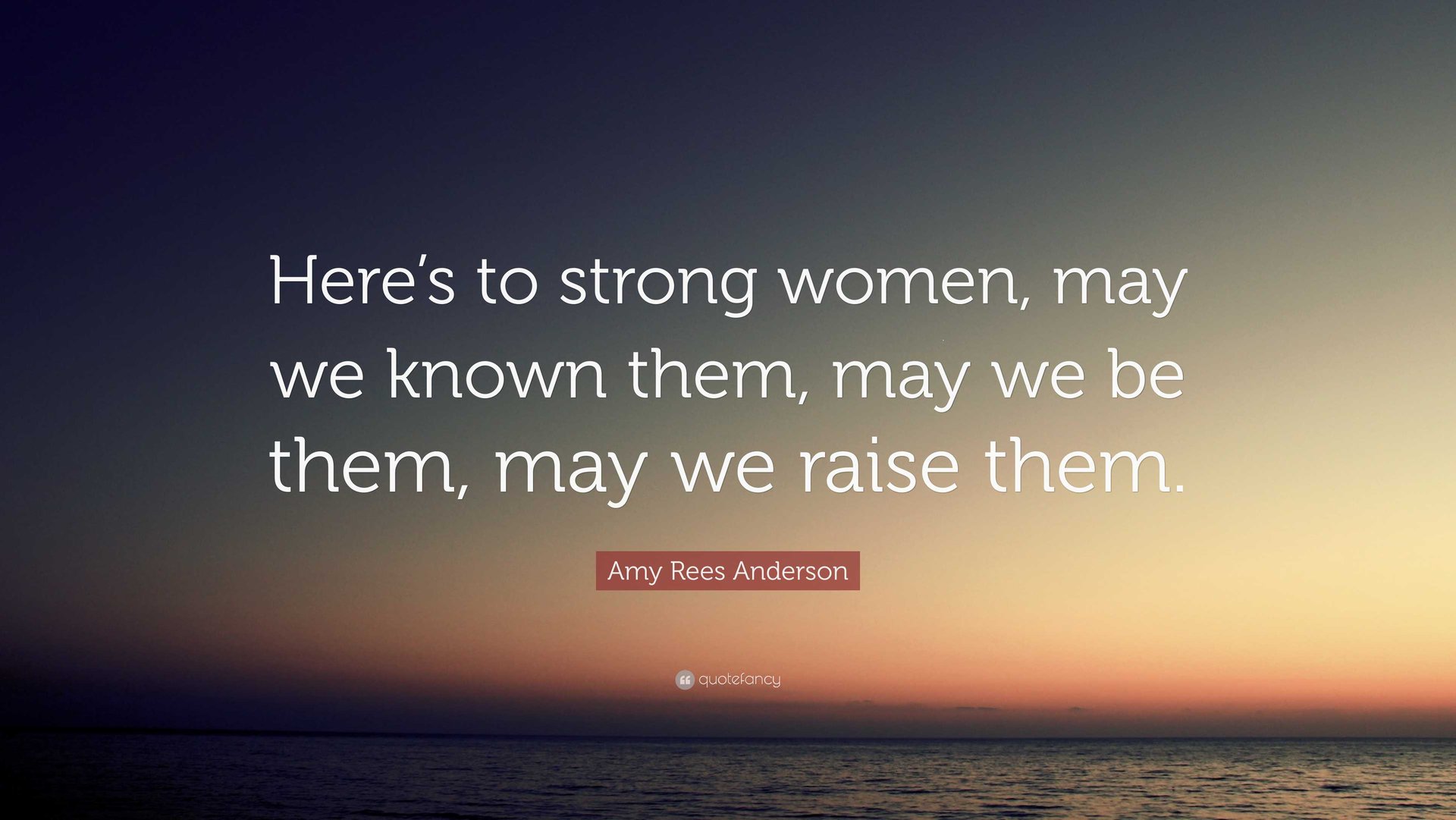
There are some news stories that make you want to close your laptop, stare into the middle distance, and seriously consider becoming a forest witch. Not the glamorous kind with cheekbones and a raven. The bog dwelling, tired kind who spends her time growing mushrooms and cursing men. Not all men of course…but a significant quantity to say the least.
Recently, CNN exposed what has been described as an online “rape academy,” a network where men allegedly shared advice, videos, and tactics for sexually assaulting women, including unconscious wives and partners. The reporting has been linked in public discussion to the horror of the Dominique Pelicot case in France, where Gisèle Pelicot was drugged by her husband and raped by dozens of men over many years. Some viral posts have exaggerated parts of the CNN report, including the “62 million” figure, which fact-checkers say referred to visits to a pornography website overall, not necessarily members of one specific group. Still, the underlying story is appalling enough without adding internet seasoning.
And let’s be real, the exact numbers matter far less than the fact that a site like this exists at all. Fiction writers spend entire careers trying to create believable villains, only for reality to barge in wearing Crocs and say, “Hold my beer.”
That is one of the strangest things about writing fiction in a world like this. We are told to make evil believable. Give the villain a motive. Make the threat grounded. Do not make the darkness too exaggerated or readers will roll their eyes. Then the news arrives, clears its throat, and presents something so grotesque that even a thriller editor might say, “Could we maybe tone this down?”
And because the universe apparently looked at that headline and thought, “Let’s make it a theme,” women’s reproductive rights are also back in the news. In Pennsylvania, a court recently ruled that the state constitution protects abortion rights and struck down limits on Medicaid coverage for abortion, a decision that matters especially for low-income women. Meanwhile, in Kenya, the Court of Appeal overturned a ruling that had affirmed abortion as a constitutional right, a major setback for reproductive rights advocates.
What connects these stories is not just misogyny, although that is certainly doing a lot of overtime. It is control. Control of women’s bodies. Control of women’s choices. Control of women’s voices. Whether the issue is sexual violence, reproductive healthcare, education, work, marriage, or public life, the message underneath is often the same: women may exist, but only within approved boundaries.
Preferably quiet ones. In other words, it is 2026 and apparently some people are still terrified of a woman with a book, a paycheck, an opinion, or, heaven forbid, all three.
As a fiction writer, I am fascinated by the way power works in stories. The most frightening villains are not always the ones twirling mustaches in candlelit towers. Often, the real horror comes from systems. Laws. Silence. Respectability. The polite room where everyone knows something is wrong, but no one wants to be difficult at brunch.
Oppression does not always arrive wearing a villain cape. Sometimes it arrives in legal language. Sometimes it hides behind “tradition.” Sometimes it calls itself “protection,” which is always interesting coming from people who seem very invested in protecting women from freedom, healthcare, education, and pockets in trousers.
A strong female voice matters because silence is the soil oppression grows in.
That does not mean every woman has to be loud in the same way. Not everyone is built to march at the front of a protest, argue on the internet, or give a speech without developing a stress rash. A strong voice can be fierce, funny, soft, sharp, scholarly, maternal, messy, poetic, furious, or quietly immovable. Sometimes a strong voice says, “No.” Sometimes it says, “I believe her.” Sometimes it says, “Actually, that policy will harm real people.” Sometimes it says, “I am not overreacting, you are underreacting.”
And sometimes it says, “I will not be taking feedback from a man whose podcast microphone cost more than his emotional intelligence.”
As an author, I think a lot about voice. Characters become real when they stop behaving politely and start wanting things. They want justice. Safety. Love. Revenge. A nap. Occasionally all four, which is honestly relatable. The same is true for us. A woman finds her voice when she allows herself to want something without apologizing for taking up oxygen.
That is more radical than it should be.
Because we are trained early to edit ourselves. Be nice. Be careful. Be agreeable. Do not be too angry, too ambitious, too loud, too sexual, too opinionated, too difficult, too much. The list is endless and deeply boring.
But too much for whom?
For the systems that benefit from women staying unsure? For the people who prefer our pain private and our obedience public? For the ones who panic when women compare notes and realize, collectively, that the problem was never our tone?
The news can feel overwhelming because the scale is enormous. Online abuse networks, courtroom battles, reproductive restrictions, victim-blaming, political rollbacks, and institutional shrugs can make any individual voice feel tiny. But every movement begins with someone refusing the lie that silence is safer.
Finding a strong female voice is not about becoming fearless. Fearless is a lovely concept, but so is having laundry that folds itself. Courage is more useful. Courage says the thing with a pulse hammering in your ears. Courage writes the page. Courage challenges the rule. Courage tells the younger woman, “You are not too much. You are becoming.”
In fiction, the turning point often comes when a woman finally says the thing she was never supposed to say. She names the monster. She opens the locked door. She stops mistaking survival for peace. She looks at the script handed to her and decides, very inconveniently, to write her own ending.
That is why female voices matter on the page and in the world. They name what happened. They ask who benefits. They protect the vulnerable. They make room for the next woman to speak. They turn private fear into public truth.
No, voice alone does not fix everything. We also need laws, healthcare, education, accountability, funding, safety, and men with the moral courage to challenge other men before a woman has to become a headline.
But voice is where it starts.
So speak. Write. Vote. Question. Create. Laugh when you can, because joy is also resistance and, frankly, misogyny hates being mocked.
The world may keep reaching for the mute button.
May we keep getting louder.
© 2026. All rights reserved.