My Self Editing Survival Guide
How to fix plot holes, bad dialogue, pacing disasters, and your own questionable life choices before anyone else reads the manuscript
4 min read
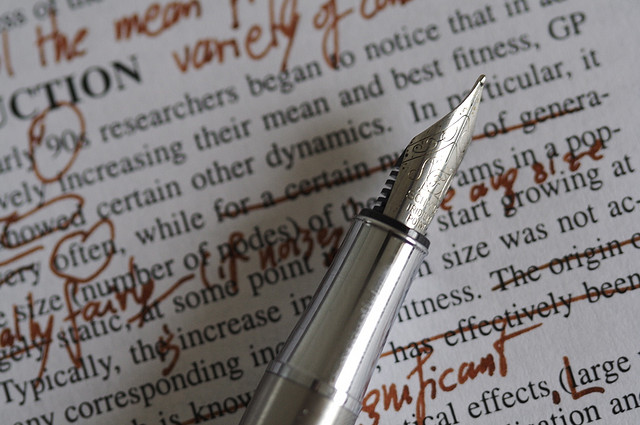
Finishing the first draft of a novel feels incredible.
You type “The End,” sit back in your chair, and briefly convince yourself you are a literary genius. For approximately seven minutes you bask in the glory of having written an entire book before opening the manuscript again and realizing your timeline is held together with duct tape, one character changed eye color three times, and somebody appears to have teleported across two states without access to a vehicle.
This is the magic of self-editing. Or, more accurately, the psychological warfare portion of writing.
When I first started writing fiction, I naively assumed editing mostly involved fixing grammar and deleting the occasional repeated word. What I did not realize was that editing actually involves questioning every decision you have made since chapter one while simultaneously trying not to launch your laptop into traffic. Fun times.
That said, over time I have developed a self-editing checklist that genuinely helps me organize the chaos before anyone else sees the manuscript. Is it perfect? Absolutely not. But neither am I, and at this point the manuscript and I are in a mutually toxic relationship anyway.
The very first thing I do after finishing a draft is walk away from it. Seriously. Leave it alone.
Do not immediately start editing while still emotionally attached to every sentence you wrote at two in the morning in a caffeine fueled haze. Your brain is too close to the story and will automatically fill in missing information because it already knows what you meant. Distance is essential.
Even a week helps. Two weeks is better. During that time I usually become convinced the entire book is garbage, which apparently is just part of the writing process now. Once I return to the manuscript, my first editing pass is purely structural. I am not looking for grammar. I am looking for chaos.
Does the plot make sense? Are there scenes that exist purely because I thought they sounded cool at the time? Did I accidentally create three side characters with identical personalities and different haircuts? This stage is brutal because it requires honesty. Sometimes scenes you love need to die.
I once removed an entire chapter I adored because although it had beautiful atmosphere and emotional dialogue, absolutely nothing happened in it. The chapter was essentially aesthetic loitering. Painful, but necessary.
The next thing I check is pacing. Pacing is sneaky because while writing, everything feels important. Unfortunately readers do not necessarily need four consecutive pages describing emotional staring contests and weather conditions.
I look carefully at where the story drags and where it moves too quickly. Big emotional moments need space to breathe, but not so much space that readers start mentally reorganizing their grocery lists halfway through.
Likewise action scenes should feel urgent, not like a detailed instruction manual on how to throw a punch. Fight scenes, emotional confrontations, and romantic tension all rely heavily on rhythm. Too slow and the energy dies. Too fast and the emotional impact disappears completely.
Then comes character consistency. This one matters enormously because readers will forgive dragons, ghosts, morally questionable shadow creatures, and entirely fictional worlds, but they will absolutely notice if your protagonist suddenly behaves like a completely different person for plot convenience .
I go through every major character and ask myself a few questions.
Do their actions align with their personality?
Are their motivations clear?
Do they have distinct voices?
Would I recognize who is speaking in dialogue without dialogue tags?
One of the biggest mistakes newer writers make is creating characters who all sound suspiciously like the author. If every character delivers sarcasm in exactly the same tone, readers notice.
Also, while editing dialogue, I remove approximately seventy percent of what characters explain.
Real people rarely say exactly what they mean. Good dialogue usually lives in subtext, tension, avoidance, or emotionally loaded silence.
Another major checkpoint on my list is world consistency.
Fantasy and paranormal writers especially need to pay attention here because fictional worlds still require internal logic. If magic exists, what are the limitations? If your fictional society has rules, are they followed consistently? If a character can suddenly develop convenient new abilities every time the plot becomes difficult, readers will begin to suspect you are making things up as you go.
Which, to be fair, many of us are. But they should not notice. I also specifically check for accidental repetition. Apparently every writer has verbal crutches. Mine include overusing certain phrases, excessive sarcasm, and making characters sigh constantly like emotionally exhausted Victorian ghosts.
Once you notice your own habits, you cannot unsee them. At this point I move into line editing, which is where I focus on sentence flow, awkward wording, grammar, and readability.
This is also where I discover typing errors so absurd they genuinely make me question my own literacy. Nothing humbles a writer faster than rereading an emotional scene only to discover autocorrect transformed a serious moment into accidental comedy.
One editing trick that genuinely helps is reading the manuscript aloud. Yes, you will feel ridiculous. Yes, your pets or family members may begin questioning your mental stability. (If they didn’t already)
Do it anyway. Reading aloud immediately exposes awkward phrasing, repetitive sentence structure, unnatural dialogue, and pacing issues. If you run out of breath halfway through a sentence, chances are readers will too. I also highly recommend changing the font before editing.
For some reason your brain becomes weirdly blind to errors when looking at the manuscript in its usual format. Switching fonts tricks your brain into seeing the writing differently. Honestly writers are just constantly finding increasingly bizarre ways to outsmart themselves.
Another important step is fact checking. Trust me on this one. Somebody somewhere knows more than you do about literally everything. Geography, weapons, medical details, legal procedures, horse anatomy, moon cycles, obscure historical facts. Readers will absolutely catch inconsistencies. And once reader trust is broken, it is very hard to regain.
Finally, I ask myself the most important question of all.
Does this story still make me feel something?
Because beneath all the grammar fixes, structural edits, pacing tweaks, and deleted scenes, emotion is the entire point. Readers do not connect to perfect prose nearly as much as they connect to emotional truth.
If a scene makes me laugh, ache, rage, panic, or cry even after multiple edits, I know it is probably working. If I feel nothing while reading it, readers likely will too.
Self-editing is exhausting. There is no glamorous way to describe it. It is repetitive, frustrating, time consuming, and occasionally soul destroying. But it is also where stories truly begin to transform.
First drafts are chaos. Editing is where the magic gets sharpened into something readers can actually fall in love with.
© 2026. All rights reserved.