Slow Burn & Dark Romance
What is it that makes it so tantalizing and why do we want it in our lives?
3 min read
After two dark fantasy romance novels I decided to have a go at another genre. In truth I have storylines consisting of a mix of three to four different genres planned ranging from light dystopian to horror. My plan was never to stick with romantasy writing long term.
I am almost done with my current manuscript, which is a mystery/thriller, and as much as I have enjoyed the journey I do find myself pulled back to the world of dark romance.
Fantasy was never my thing…until I wrote a fantasy novel. In case you hadn’t yet figured it out, I have a penchant for doing things backwards. The more I have explored the genre the deeper in love with it I have fallen.
But what is it about slow burns and dark romance that is so enticing?
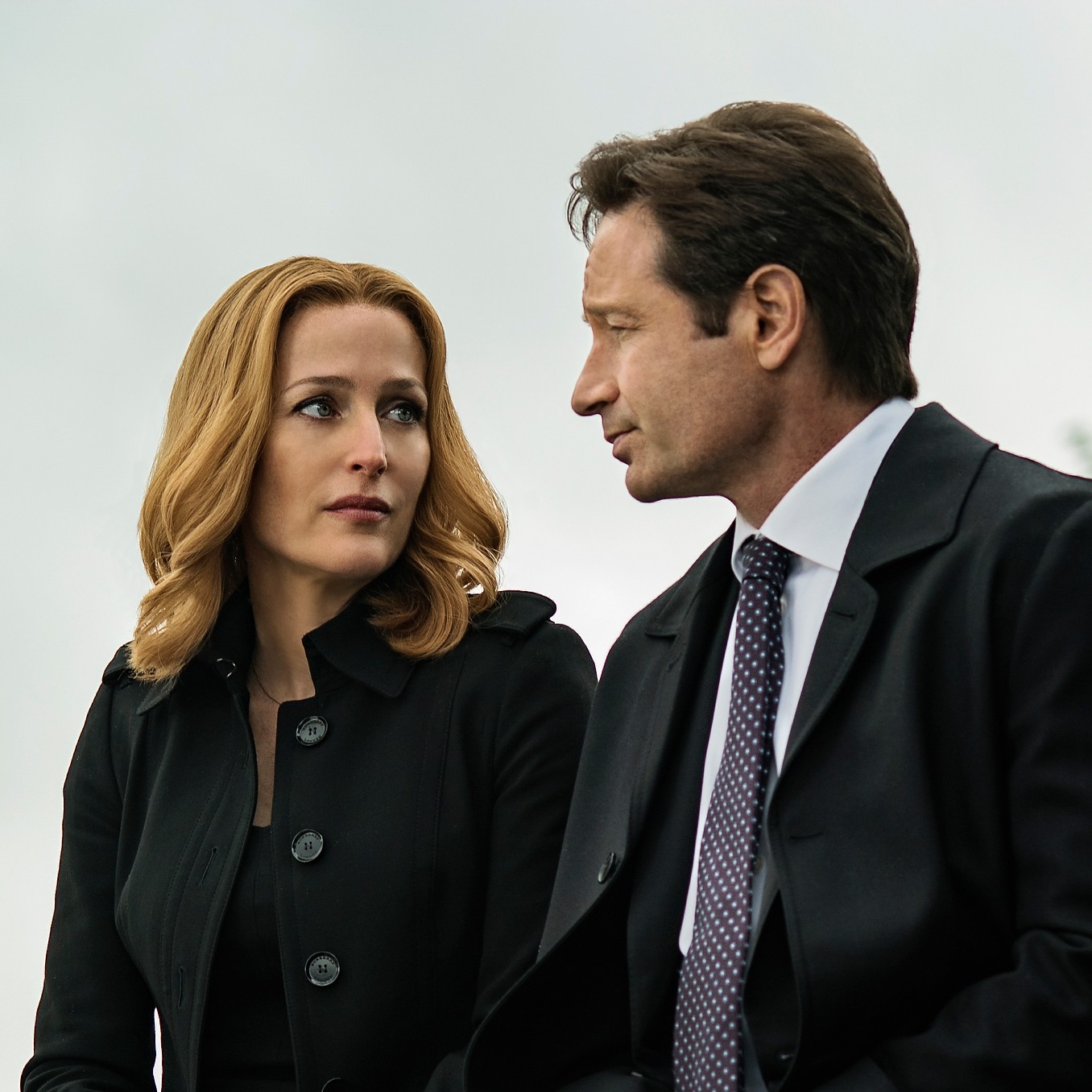
For those not in the know, slow burn books are not dissimilar to the Mulder and Scully dynamic of the X files. For most of us who tuned in weekly to watch that show it wasn’t really the mysterious story lines or crazy extra-terrestrial happenings that kept us as loyal fans, it was the desire to see the main characters finally giving it up to each other.
A "slow burn" romance describes a relationship where attraction and feelings develop gradually over a longer period, where the reader sees it coming before the characters do. Instead of a quick, explosive start, the relationship slowly simmers, with tension building over time. Typically, when the characters do realize their feelings there are obstacles to overcome.
The point of the slow burn story is to keep the reader walking a fine line between a yearning to see the characters in question together and the urge to scream with frustration into the pages at the said characters inability to see what the rest of the world can…that they were made for each other.
Keeping that simmer maintained is not always an easy task.
Deep character development is crucial for a slow burn romance because it makes the reader emotionally invested in the characters' journeys and the eventual romance. Readers want to see the characters together because they have come to care about their distinct personalities, flaws, strengths, and backstories, which creates a greater payoff when their relationship finally blossoms. In short, the reader has to be rooting for at least one, if not both, of the characters in question.
Aside from the individual character development, another key element is the complexity of the relationship they share with each other.
Complicated relationships create endless opportunities for unresolved tension between characters. Putting them in a situation where they are forced into physical closeness, placing them alone and close enough to kiss, only to be interrupted at the last moment. Letting them exchange longing glances across a crowded room. Having them brush against each other, feeling the heat on their skin whilst fighting against the urge to touch. Involving them in emotionally charged arguments where the depth of their feelings become channeled in a way that pulls and pushes them together and apart. Creating situations in which they ache for each other, so that the reader aches right along with them.
The intimacy and desire between these characters must develop gradually over the first two-thirds of the novel. The narrative should create such a compelling connection that the reader becomes deeply invested in their union, unable to put the book down and constantly thinking about them even when not reading.
The effective pacing of slow burn narratives relies heavily on the strategic use of unresolved tension. Whether this is from an external force outside of the characters control, or more internally based where their own misconceptions or past experiences affects their ability to act in a certain way.
Unlike narratives where the love story is a given, the slow burn emphasizes that the growth and self-discovery that happen along the way are just as important as the romance itself.
And the payoff for this gradual climax is of course the most crucial part of all. The magical moment, whether a first kiss, a vulnerable confession, or a grand gesture, is the ultimate release of all that built-up tension. It's the moment readers have been waiting for, and it feels like a genuine emotional victory.
Slow burns often mirror how relationships unfold in reality, where affection and trust grow over time, rather than appearing instantly. This makes the characters, and their romance, feel relatable to the reader.
The extended anticipation of a slow burn heightens the emotional stakes, making every moment of connection more impactful and delivering a satisfying happily-ever-after that feels truly earned.
© 2026. All rights reserved.