The Difference Between Shock and Suspense
Why dread often does more damage than a bucket of blood and a dramatic violin string
4 min read
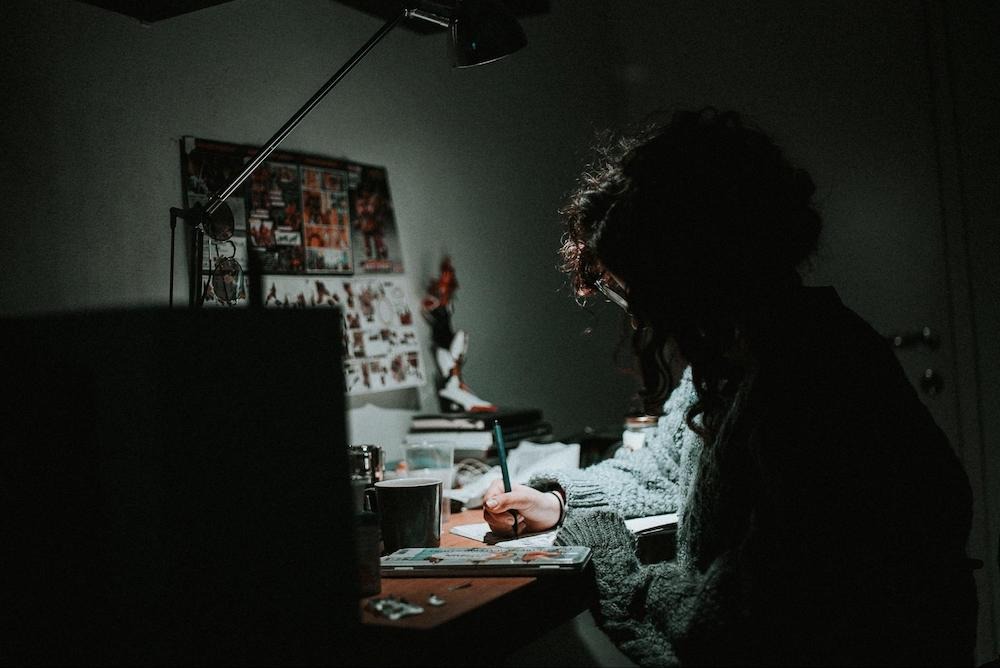
There is a particular kind of horror scene that kicks the door open, throws blood on the wallpaper, screams in your face, and then stands there expecting applause.
And sometimes, fair enough. A well-placed shock can be delicious. I am not above a sudden gasp, a flying knife, or a corpse appearing where a corpse absolutely should not be. But shock and suspense are not the same thing.
Shock is the thing jumping out of the closet. Suspense is knowing the closet door has been open for three pages and nobody in the room has noticed.
That, to me, is where the real magic lives. Or the real damage, depending on how attached you are to sleeping.
As a fiction writer, I think of shock as the slap and suspense as the hand hovering in the air. Shock is immediate. It hits, it startles, it may cause someone to throw popcorn at a stranger, and then the body begins to recover. Heart rate settles. Breathing returns. Someone mutters, “That was rude,” and continues reading with mild suspicion.
Suspense lingers.
Suspense pulls up a chair, makes itself a cup of coffee, and sits in the corner of your mind tapping one fingernail against the porcelain. It does not need to shout. It simply suggests that something is wrong, then refuses to explain itself. Very impolite. Very effective.
The reason dread often hits harder than gore is that the reader’s imagination is an overachiever. Show them a bloody room and they will react. Show them a closed door, a strange smell, a missing child’s shoe, and a dog that refuses to go upstairs, and suddenly they are doing unpaid emotional labor for the story. They are building the horror themselves, which is frankly convenient for the writer and deeply unfair to everyone else.
Gore can be powerful, of course. I sort of enjoy a grim reveal as much as the next emotionally stable person who writes about murder for fun. But gore gives the reader information. Dread withholds it. And what we do not know has a nasty habit of expanding in the dark.
This is why a whisper can be scarier than a scream. A scream tells us the danger has arrived. A whisper suggests it has been there the whole time.
Rude again.
Suspense works because it creates expectation. The reader senses a pattern forming, even if they cannot yet see the shape. A character lies about where they were. A neighbor stops waving. A child mentions an imaginary friend who knows the family’s dead dog’s name. Somewhere, a floorboard creaks in a house that was supposed to be empty. None of these things need blood. They need timing.
Timing is everything in suspense. Reveal too soon and you lose the dread. Reveal too late and the reader may begin wondering whether you forgot what you were doing, which is never ideal. The trick is to give just enough to keep them leaning forward, but not enough for them to sit back smugly and say, “Well, obviously the dentist is a demon.”
Although, to be clear, the dentist may still be a demon. I am not making accusations. I am simply saying the chair does recline like a sacrificial device.
Shock is often external. It happens to the reader. Suspense is participatory. The reader becomes involved. They notice the strange detail. They remember the locked drawer. They suspect the friendly uncle. They are no longer simply watching the story. They are trapped in it with a flashlight, questionable footwear, and absolutely no survival instincts.
That is why dread can feel more intimate than gore. It gets under the skin quietly. It makes ordinary things suspicious. A hallway becomes a tunnel. A smile becomes a warning. A family dinner becomes a crime scene with mashed potatoes. Suspense takes the familiar and tilts it slightly, just enough for the reader to think, “I do not like that,” without knowing exactly why.
That uncertainty is gold.
In fiction, shock is a spark. Suspense is the slow smell of smoke before anyone sees the fire. Both have their place, but they do different work. Shock wakes the reader up. Suspense keeps them awake at 2:00 a.m. whispering, “One more chapter,” which is reader language for “I have made a terrible decision.”
The best stories often use both. A sudden twist can be wonderful when dread has prepared the ground. A violent reveal can land harder when the reader has spent chapters sensing the shape of it in the dark. Without suspense, shock can feel cheap. With suspense, shock becomes inevitable, which is much worse.
And by worse, I mean better.
As writers, we are not just trying to surprise people. Surprise is easy. Hide someone behind a shower curtain and congratulations, you have startled both the reader and the plumbing. But suspense asks for more. It asks for atmosphere, character, pacing, silence, and restraint. It asks us to trust the reader’s imagination, which is generous because the reader’s imagination is usually far more unhinged than anything we could put on the page.
So yes, give me the twist. Give me the scream. Give me the blood on the white carpet and the body in the rose bushes.
But first, give me the locked door nobody mentions.
Give me the mother who flinches when the phone rings.
Give me the town that goes quiet when a certain name is spoken.
Give me dread, gathering softly in the corners.
Because shock makes us jump.
Suspense makes us afraid to turn the page, and then makes us do it anyway.
© 2026. All rights reserved.