The Quiet Horror of Small Towns
Where everybody knows your name, your business, and what your grandmother did in 1973
4 min read
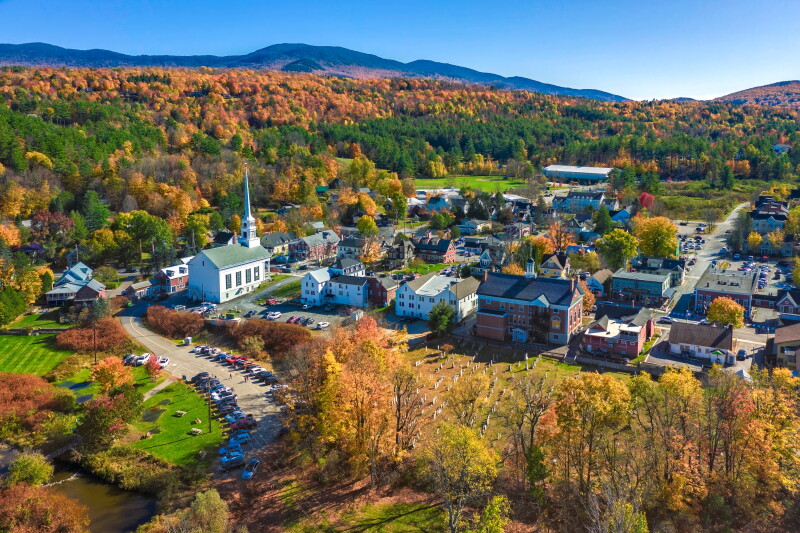
Small towns are often sold to us as charming little pockets of community, the sort of place where the bakery knows your order, the post office knows your dog’s name, and someone’s aunt has a spare casserole for every emergency from childbirth to suspicious plumbing.
And yes, that can be lovely.
It can also be absolutely terrifying.
Because in a small town, privacy is less of a right and more of a rumor someone heard about once from a cousin who moved to the city. Everyone knows everyone, everyone knows everyone’s parents, and if they do not know the truth, they will happily assemble a version of it from eyebrow movements, half-finished sentences, and what Marjorie saw through her kitchen blinds.
As a fiction writer, I adore small towns. Not necessarily to live in, because I enjoy being able to buy snacks in questionable sweatpants without it becoming a community bulletin. But on the page? Delicious. Small towns are pressure cookers with church bells. They are perfect little ecosystems of reputation, secrets, gossip, family history, and long memories. Especially long memories. In a small town, people do not simply remember your mistakes. They preserve them like jam.
Your great-uncle once stole a tractor? Someone knows.
Your mother ran away with a drummer for six weeks in 1989? Someone knows.
You backed into a mailbox at sixteen and cried so hard the police officer gave you a peppermint? Tragically, someone also knows that, and they have been waiting for the right moment to mention it at a baby shower.
This is what makes small towns so wonderfully unsettling in fiction. Horror does not always need a monster in the woods, although I am never opposed to a tasteful monster. Sometimes the monster is collective memory. Sometimes it is a town that never lets anyone become more than the worst thing their family ever did. Sometimes it is the polite smile of a neighbor who knows exactly where the bodies are buried, because her hydrangeas are doing suspiciously well.
Reputation is currency in a small town, and once it is spent, good luck getting a refund. A woman can spend thirty years volunteering, baking, working, raising children, and waving cheerfully at people she privately cannot stand, only to be defined forever by one scandal. One affair. One accusation. One relative who “was always a bit odd.” A city may let you reinvent yourself. A small town prefers to keep the original receipt.
That is why secrets are so powerful in these settings. Everyone has one, of course. The respectable doctor. The charming mayor. The sweet teacher. The man who runs the hardware shop and definitely knows more about the missing girl than a man who sells paint samples ought to know. Small towns are built on what is said aloud and what is understood without being said at all.
There is also gossip, the unofficial public transportation system of rural life. It moves faster than cars, costs nothing, and somehow always arrives slightly distorted. Gossip in a small town is not merely conversation. It is surveillance with snacks. A person cannot sneeze near the pharmacy without someone telling their sister that they “looked pale” and might be “going through something,” which by noon becomes divorce, bankruptcy, or demonic possession, depending on how slow the week has been.
And family history? That is where the real dread lives.
In a small town, you are not just yourself. You are your father’s temper, your mother’s heartbreak, your grandfather’s debt, your sister’s choices, and your cousin’s unfortunate incident at the Christmas parade. You inherit names, grudges, rumors, expectations, and occasionally land that comes with a barn no one goes into after dark, which is rude because some of us are trying to write a chapter.
For a writer, this is gold. A small town gives you built-in tension before anyone even finds a body. Every conversation can carry three meanings. Every friendly wave can be a warning. Every silence can feel loaded. The butcher, the librarian, the pastor, the bartender, the hairdresser, they all hold pieces of the story. The protagonist may think she is investigating a mystery, but really, she is walking into a web that was spun before she was born.
That is the quiet horror of small towns. It is not always about blood on the floorboards or whispers from the cornfield. It is the fear of being known incorrectly. The fear that your story has already been written by people who never asked you for the truth. The fear that leaving does not erase you, and returning means facing every version of yourself that still lives in other people’s mouths.
Of course, small towns can also be beautiful. They can rally around you when tragedy strikes. They can remember your birthday, shovel your driveway, and bring enough lasagna to feed a minor army. Community can be a blessing.
But in fiction, blessings are always more interesting when they come with a shadow.
Because the same people who show up with casseroles may also know why your mother never speaks to the woman in the blue house. The same neighbor who waters your plants may have seen something through the curtains twenty years ago. The same town that claims to protect its own may be hiding the very thing that destroyed one of them.
And that is why small towns make such irresistible settings.
They are cozy until they are claustrophobic. Familiar until they are inescapable. Sweet until you realize everyone has been smiling with their teeth.
Give me a town with one diner, three churches, a missing girl, a family name nobody says without lowering their voice, and a woman who has come home determined not to care what people think.
Then watch what happens when she starts asking questions.
© 2026. All rights reserved.