
Does every character need a flaw? Is perfection really so unrealistic that even fiction doesn’t hold a place for it?
Perfection is of course highly subjective, but when you think about it, it is also downright boring. One of the key factors to consider when crafting a character is its relatability to your reader, and let’s face it not everyone can be as perfect as me… if you can’t detect the sarcasm in that statement, you should probably stop reading now.
Every character needs their flaws to be believable, relatable, and to drive plot and development, creating depth and conflict that perfect, flawless characters lack, making readers care about their journey as they overcome internal struggles and make human mistakes. Flaws aren't just weaknesses; they're touchpoints for connection, catalysts for growth, and sources of realistic motivation and dramatic tension that make a story compelling and meaningful, which makes them an imperative part of every storyline.
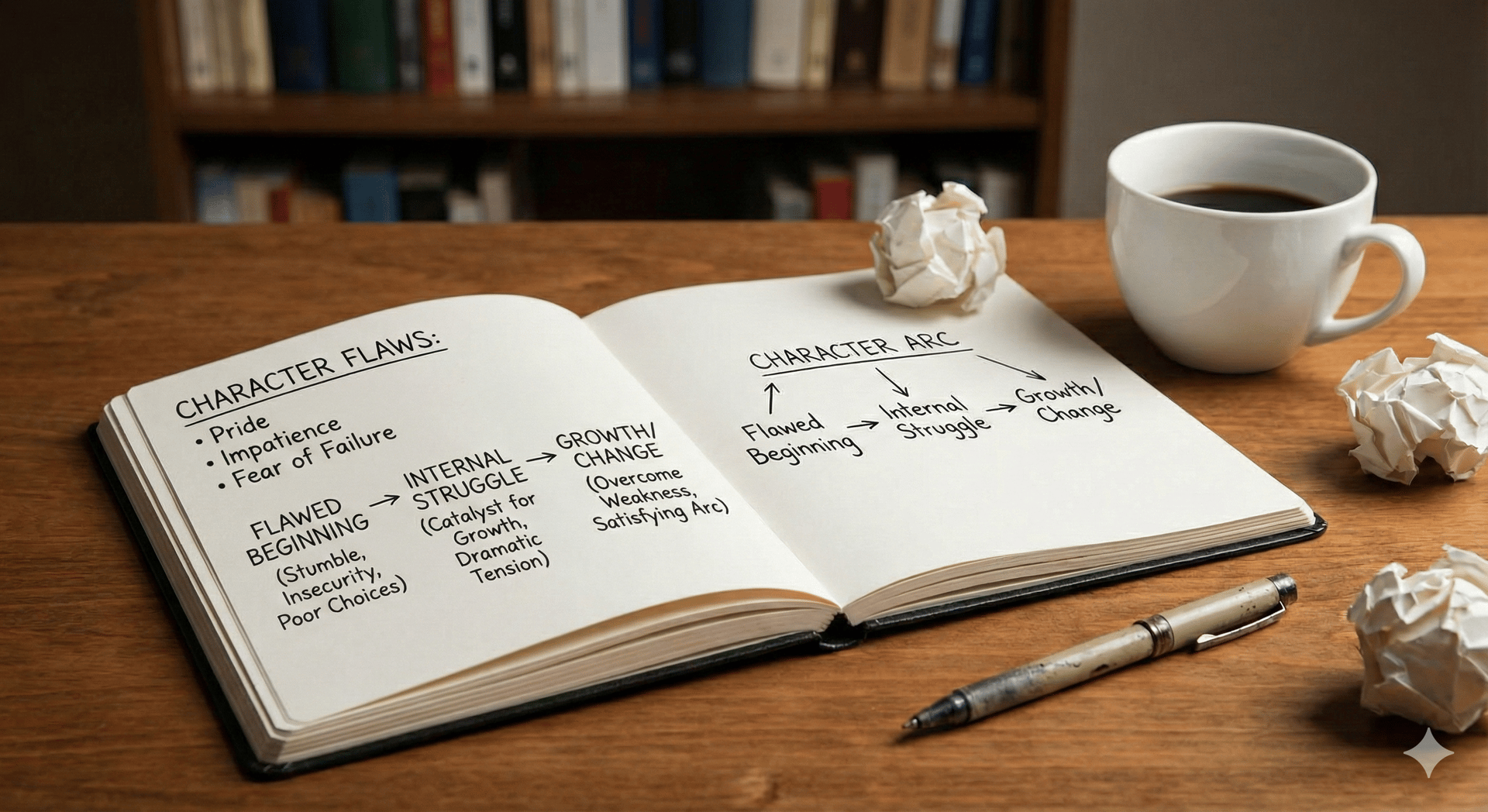
Readers connect with characters who stumble, have insecurities, or make poor choices, mirroring our own imperfect lives (with the exception of yours truly of course) and fostering empathy. Flaws provide a starting point for a character's journey, allowing them to grow, change, and overcome their internal weaknesses, leading to satisfying arcs.
Beyond relatability, flaws add realism to a story. A character without flaws can feel artificial, like an unattainable ideal. Just as no one in real life is perfect, no character should be. This realism keeps readers engaged because when they believe in a character, they are more likely to follow their journey.
They provide a source of motivation: Weaknesses deliver realistic reasons for characters to act, struggle, and strive for something better, giving their goals more weight. Shortcomings such as pride, fear, or impatience directly influence an individual’s decisions, creating internal and external conflicts that propel the story forward and raise the stakes.
Flaws not only make a character feel more real, but they also help push the story along. Every character is chasing something - be it love, power, or the discovery of a hidden truth.
However, it is also important to remember that much like real life, not every character is meant to conquer their flaws or reach a tidy resolution. While protagonists usually grow toward self-awareness and change, antagonists often move in the opposite direction. Their arcs are shaped not by transformation, but by a deeper commitment to the very traits that define them.
Villains and anti-heroes may weaponize their flaws, turning cruelty, pride, or obsession into sources of power. Yet this alignment with their darker nature typically leads to isolation, self-destruction, or defeat, clearing the way for the protagonist’s success.
Rather than seeking redemption or peace, these characters often intensify their worst qualities as the story unfolds. Their refusal, or inability, to change becomes the turning point of the narrative, driving the conflict to its peak and ultimately ensuring their downfall as the protagonist rises.
Key elements to consider when developing your character’s flaws are:
What does your character think they want?
Most characters begin with a clear belief about what will bring them happiness or success. As they chase this goal, they often discover that what they wanted is not what they truly needed.
What do they actually need?
A character’s real needs usually lie beneath their surface desires. They may pursue love, power, or recognition, when what they truly require is acceptance, forgiveness, healing, or a sense of purpose.
What are their fears?
Fear exposes a character’s deepest vulnerabilities and shapes their behavior. Whether they fear failure, abandonment, or being alone, these anxieties influence the choices they make and the risks they avoid.
What are their flaws?
Flaws such as pride, insecurity, or impulsiveness, create internal struggles. These weaknesses drive conflict, complicate relationships, and provide space for growth as the story unfolds.
At the start of a story, most characters are blissfully unaware of their own flaws. They’re convinced they know exactly what they want, even as their fears and bad habits quietly steer them straight into trouble. Over time, reality taps them on the shoulder and says, Hey, that thing you’re doing? Yeah… that’s not helping.
The tension between what they think they want and what they actually need becomes the engine of their character arc, pushing them toward eye-opening moments and, for some, real growth.
Of course, not everyone gets the memo. Villains and anti-heroes often double down on their worst traits, treating personal growth like an optional side quest. Instead of changing, they lean harder into their flaws, which usually leads to dramatic, messy, and not-so-happy endings - proving that while some characters evolve, others proudly march off a cliff waving their red flags.
In the end, it’s the flawed characters who stay with readers long after the last page is turned. Whether they rise above their weaknesses or are undone by them, they feel authentic because they reflect the complexity of real people.
By leaning into your characters’ messiness, contradictions, and vulnerabilities, you create stories that resonate on a deeper level. As you shape your cast, remember this: their flaws are just as important as their strengths, and often far more memorable.
© 2026. All rights reserved.