Finding your genre is a little like dating, or so I’m told.
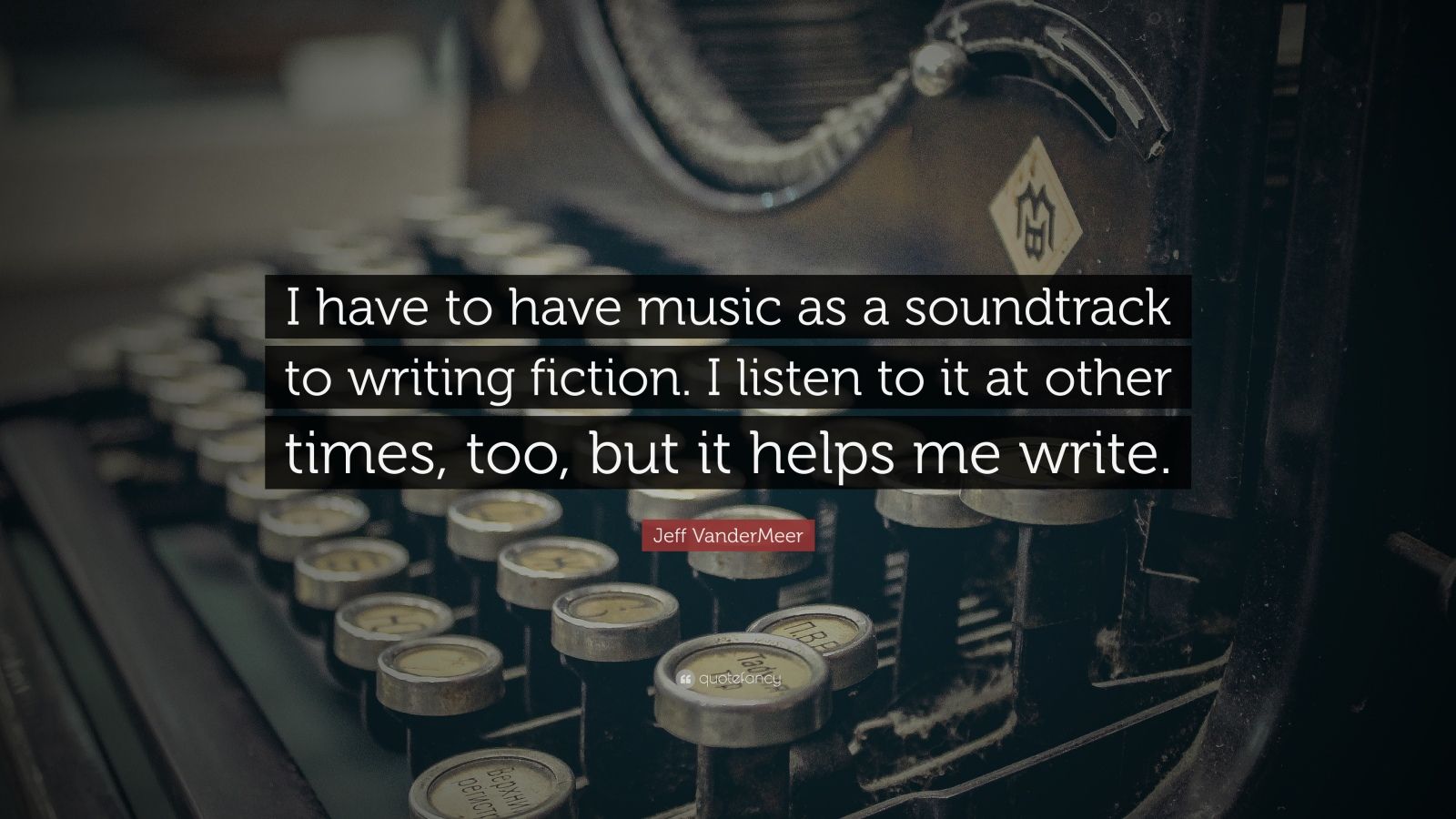
I am a huge believer in song lists when writing. Not in a cute, Pinterest worthy, color coded kind of way. I mean in a genuinely necessary, borderline obsessive way. The kind where one song gets played so many times that Spotify should really stage an intervention.
Writing a book is a strange process. On one hand, you are trying to create something immersive, emotional, and layered. On the other, you are sitting somewhere in yesterday’s leggings, drinking cold coffee, staring at a blinking cursor while questioning every life choice that led you to this point. For me music helps bridge that gap.
A good song list does not just provide background noise. It creates atmosphere. It sharpens emotion. It drags you back into the exact headspace you need for a specific scene, even when your actual mood is miles off. That matters more than people realize.
When I was writing From the Other Side, music became a huge part of the process. That book sits firmly in the dark fantasy romance space, which meant I needed to stay connected to a mood that was emotionally intense, slightly dangerous, and occasionally felt like it might burn the whole world down for the sake of one complicated relationship. So naturally, some Fall Out Boy and Evanescence made its way onto the list, because subtlety was not exactly the goal.
There is something about certain songs that just lock into a scene. They do in three minutes what I sometimes cannot manage in three paragraphs. A song can capture longing, obsession, anger, grief, or reckless attraction in a way that gets under your skin immediately. Once that feeling is there, it is much easier to translate it onto the page.
For each book that written I built a playlist. For my first two books I needed music that had that dramatic, emotionally chaotic energy that complimented what I was writing. There was angst. There was passion. There was the distinct sense that someone was either about to kiss someone inappropriately or set something on fire. Occasionally both. Trust me, it’s very helpful when you are trying to write scenes charged with emotional conflict and dangerous attraction.
If I was working on a scene with tension between characters, music helped me hold onto that push and pull. The songs gave me access to the urgency of it, the frustration, the want, the sense that giving in would be a terrible idea and was therefore obviously inevitable. For more emotionally bruised scenes, the right track made it easier to tap into vulnerability without overthinking it. And when it came to the darker moments, the ones full of fear, rage, or emotional unraveling, music helped me keep the tone consistent without slipping out of the world I was trying to build.
That consistency is a big deal. One of the hardest parts of writing a novel is returning to the same emotional universe day after day. Real life does not care that you left your characters in the middle of a life altering confrontation yesterday. Real life still expects you to answer emails, buy groceries, and pretend to be a functioning adult. A playlist acts like a shortcut back into the story. Press play, and suddenly you are no longer thinking about your to-do list. You are back in the scene, emotionally speaking, which is half the battle.
It also helps with pacing. Some songs are perfect for battle scenes, confrontations, or moments of panic because they naturally force your brain into a faster rhythm. You write shorter sentences. The scene moves harder. Everything feels more immediate. Other songs slow you down and make you linger where you need to, particularly in scenes involving grief, intimacy, or emotional fallout. Music can control the tempo of your writing without you even noticing.
There is also the issue of character connection. Sometimes a song does not fit the book as a whole, but it fits one character so perfectly it would be criminal not to use it. Certain tracks start to feel like a person. Their damage. Their hunger. Their defensiveness. Their complete inability to make a sensible decision. Once you find songs that line up with specific characters, they become incredibly useful. You are no longer just writing dialogue or reactions. You are stepping into that character’s emotional pattern.
And yes, I am fully aware that this all sounds a little dramatic. It is dramatic. But if you are writing dark fantasy romance, dramatic is hardly a disqualifying trait. You are not exactly aiming for the emotional tone of a mild weather report.
The beauty of a writing playlist is that it becomes part of the creative architecture of the book. It is not fluff. It is not procrastination disguised as artistry, although I appreciate that some of us are very gifted in that area. It is a tool. A surprisingly effective one.
Of course, there is a slight downside. You may permanently ruin certain songs for yourself because you will forever associate them with emotionally devastating scenes, fictional trauma, or that chapter you rewrote seventeen times while slowly losing your grip. But honestly, that feels like a fair trade.
For me, using song lists while writing helps keep the emotional tone sharp and the mood immersive in a genre that depends heavily on atmosphere. Dark fantasy romance needs intensity. It needs ache, danger, seduction, and emotional weight. Music helped me hold all of that in place.
So if you are a writer and you have not yet made yourself a song list, I strongly recommend it. Find the songs that feel like your story. Find the ones that sound like your characters making bad decisions for deeply compelling reasons. Find the tracks that drag you back into your fictional world when your brain is still stuck on laundry and dinner.
Then hit play and let the chaos work for you. It is cheaper than therapy and, on a good day, considerably more productive.
© 2026. All rights reserved.