Why Readers Love Characters Who Make Terrible Decisions
Because apparently “don’t go into the basement” is less a warning and more a personal challenge
4 min read
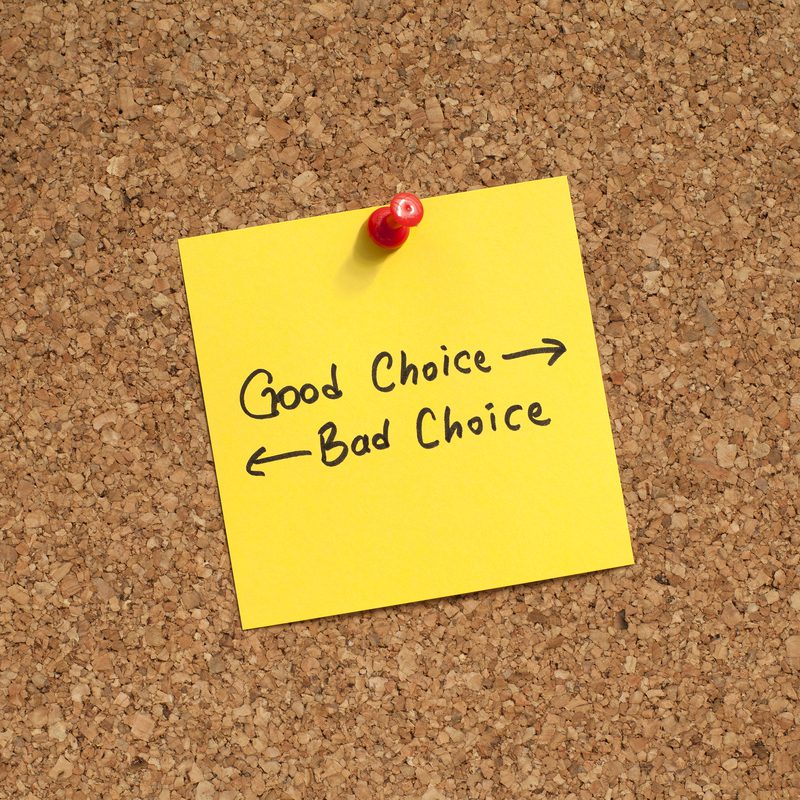
There is a special kind of readerly joy in watching a character stand at the edge of an obviously terrible decision and leap gracefully into disaster like it is an Olympic event. You know the moment. For some of us we've lived the damn moment.
The heroine hears a noise downstairs at 2:00 a.m. and decides to investigate alone, wearing socks, no glasses, and the confidence of someone who has never seen a horror film. The detective with three enemies and one working brake light chooses to meet an anonymous informant in an abandoned warehouse. The woman who has finally escaped her toxic ex decides, just this once, to answer his text.
And we, the readers, sit there whispering, “Absolutely not.” Then we turn the page.
Because terrible decisions are the engine of fiction. Sensible choices may be excellent for real life, taxes, and avoiding tetanus, but on the page, they can be a bit dull. If every character made calm, rational, emotionally regulated decisions, most novels would be twelve pages long and end with someone booking therapy, installing a doorbell camera, and getting a good night’s sleep.
Lovely for them. Devastating for plot.
As writers, we do not create characters simply to watch them thrive under ideal circumstances. We create them to push, tempt, corner, and occasionally drop them into situations where their coping mechanisms look less like tools and more like flaming cutlery. The point is not that characters should be foolish for no reason. The point is that their bad choices should reveal something true.
A character’s terrible decision is often the most honest thing about them.
The woman who returns to the house she swore she would never enter again is not just being reckless. She is grieving. She is searching. She is trying to prove she is no longer afraid, which is exactly the sort of thing fear finds hilarious. The man who lies to protect someone is not simply making a mess, although congratulations to him, he certainly is. He is showing us what he values, what he fears losing, and how badly he misunderstands the concept of consequences.
That is why readers love these choices. Not because we enjoy stupidity, though admittedly there is a fine entertainment value in yelling at fictional people from the safety of a sofa. We love bad decisions because they make characters human.
Real people make terrible decisions all the time. Me included. We ignore red flags because they are attached to attractive people. We say “I’m fine” while mentally assembling a twelve-slide presentation titled Reasons I Am Not Fine. We open emails after 9:00 p.m. We keep secrets to avoid conflict, then seem genuinely surprised when the conflict returns wearing boots and carrying a shovel.
So when a character makes the wrong choice for deeply believable reasons, we recognize it. We may not have followed a suspicious trail of blood into the woods, but we have definitely followed hope into places it had no business going.
A good terrible decision also creates tension. Readers know something is coming. They see the warning signs. The locked room. The evasive husband. The cheerful neighbor with too much knowledge of local missing persons cases. The text message that begins with “Don’t be mad.” Nothing good has ever followed those words. Nothing.
The reader watches the character choose, and the dread tightens.
This is especially delicious because bad decisions create involvement. The reader is no longer passively observing. They are negotiating with the page. Do not open that door. Do not trust him. Do not hide the evidence in your own garage, Patricia, we have discussed this. The more invested we are, the more we argue, and the more we argue, the more the story has us by the throat.
Terrible decisions also give characters room to change. A flawless character has nowhere to go except perhaps into witness protection because everyone hates her. But a flawed character can grow. She can learn. She can face the pattern that keeps dragging her into danger. She can become braver, wiser, sharper, or at least slightly less likely to enter basements without turning on a light.
There is beauty in watching a character survive the consequences of herself.
Of course, there is a difference between a believable bad decision and a lazy one. Readers will forgive a character for being scared, traumatized, proud, lonely, desperate, angry, in love, or under pressure. They are less forgiving when a character behaves irrationally because the plot needs her to carry the idiot ball down a dark corridor.
Motivation matters. If she goes into the basement because she heard a noise, fine, maybe. If she goes because her child is missing, absolutely. If she goes because she thought she left her lip balm down there during a serial killer warning, I have concerns.
The best bad choices feel inevitable in hindsight. We understand why the character did it, even if we were mentally throwing coasters at her while she did. Her decision fits her wound, her desire, her fear, her history. It is not random. It is personal.
And that is where the real storytelling power lives.
Because a terrible decision is never just a plot point. It is a confession. It tells us what a character cannot resist, cannot forgive, cannot face, or cannot let go. It turns the story from a sequence of events into a collision between who someone is and what the world demands of them.
So yes, we love characters who make terrible decisions.
We love them because they frustrate us, frighten us, and remind us of ourselves on our least dignified days. We love them because their mistakes open doors, literally and emotionally, that sensible people would leave firmly closed. We love them because fiction is not a manual for good judgment. It is a place where desire meets danger and someone says, “This is probably a bad idea,” then does it anyway.
And honestly?
That is where the story begins.
© 2026. All rights reserved.